


Defining the Hair Shaft: Structure and Basics
When you pull a single strand between your fingers, you're touching something far more structured than it looks. This visible filament, the bit sticking out of your scalp, is the hair shaft. By the time it surfaces, it's dead tissue, packed with keratin protein arranged in layers.
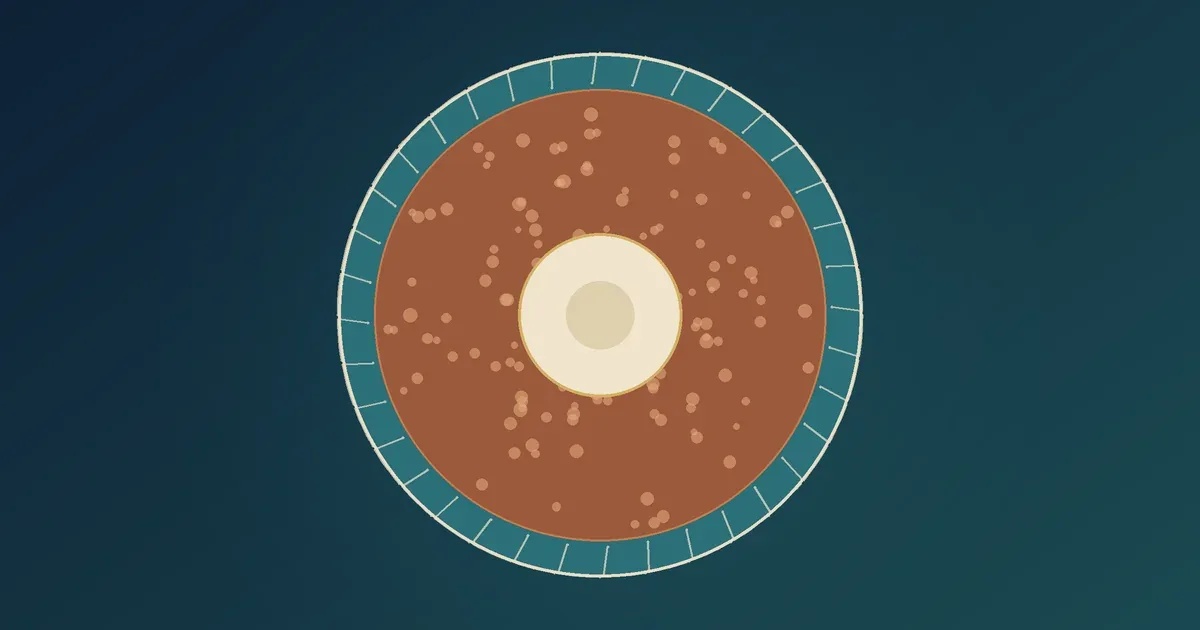
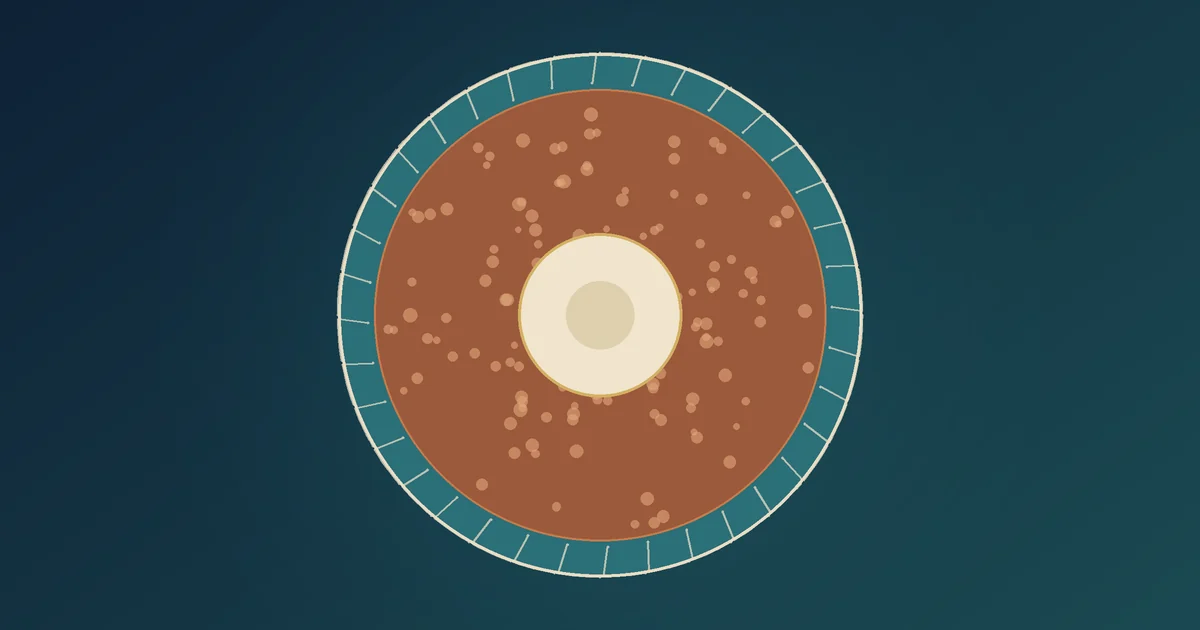
Three distinct layers make up the shaft. That outermost layer is the cuticle, a shingle-like armor of overlapping cells. Underneath sits the cortex, the thickest layer that holds the hair's pigment and gives it strength. Deep in the center? The medulla sits there, a soft core that some hairs have and others skip entirely.
Hair shaft anatomy really comes down to this: the cuticle protects, the cortex structures, and the medulla, honestly, scientists still debate its job. Scientists think it might act as a thermal insulator or a structural space-filler. Either way, the shaft itself is non-living. Every haircut, chemical treatment, or heat styling session hits only this dead zone. But that doesn't mean damage doesn't matter, it just means repair happens below the surface, at the follicle root, not on the strand you see.
Picture the cortex: twisted protein chains called keratin filaments bundle into macrofibrils. These lock in melanin granules that determine your natural color, eumelanin for browns and blacks, pheomelanin for reds and yellows. The cuticle protects those inner proteins from UV rays, chemicals, and the friction you put it through daily. But once those scales lift or crack, the cortex is next to take the damage. Split ends aren't a cuticle problem, and they're the cortex failing, exposed to the air.
Compared to the cortex, the medulla's contribution is negligible.
The Three Layers of the Hair Shaft
Hair shaft isn't a single uniform strand. Under a microscope, you'll see it split into three distinct layers, each with its own job and makeup. Think of it like a well-engineered cable. The outer jacket shields, the middle carries the weight, and the core? That one? Optional.
1. The Cuticle - The Protective Overcoat
On the outside sits the cuticle, the outermost layer. It's made of flat, overlapping cells that stack like roof shingles-typically 6 to 10 layers thick. These cells are see-through and carry no pigment. Defense is their main job: locking moisture in and keeping chemicals, UV, and wear out. Shine and smoothness come when the cuticle lies flat and tight. Lifted or chipped away-from bleach, heat, or rough handling-the hair turns dull, tangles readily, and loses water quickly. That frizz you've been fighting, and it usually starts right here, on the cuticle.
2. The Cortex - Where All the Action Happens
Move a layer deeper and you hit the cortex. It's crammed with keratin proteins twisted into long fibers that run parallel to the hair's length. Those fibers are what give hair its strength and elasticity. Stretch a strand too far, and it's the cortex that snaps. The cortex also stores melanin granules, which set your natural hair color, eumelanin for black and brown shades, pheomelanin for reds and blondes. Perm solutions and permanent hair color work at this level: they break and then reform the cortex's protein bonds to change the hair's shape or lock in pigment. That's also why damage here takes more to fix than a simple cuticle scrape.
3. The Medulla - The Questionable Core
The medulla sits at the very center, a soft, sponge-like core that runs through some hairs. Thing is, it's not always there, and fine, blonde hairs often don't have a medulla at all. Thick, coarse gray hairs almost always have a full, continuous medulla. Scientists still debate what it actually does. Some think it helps with thermal insulation or stiffens the shaft. Others think it's just a leftover from evolution-a structural ghost. Either way, the medulla isn't connected to common hair problems like thinning, breakage, or graying. If hair health is what you're after, the cortex is where you'll get answers.
That's the hair shaft anatomy in three layers: a shield, a workhorse, and an optional core. Each one matters, but not equally.
How the Hair Shaft Is Damaged: Mechanical and Chemical Factors
Most people assume hair damage starts at the ends. It doesn't. Damage nearly always begins at the cuticle-the outermost layer of the hair shaft anatomy -and works its way inward. Once that protective shingle - level lifts or breaks, the cortex is wide open.
Mechanical wear: the slow grind
Brushing wet hair is the fastest way to tear the cuticle. When hair is wet, the hydrogen bonds that give it structural rigidity break temporarily. A brush yanking through that softened shaft literally peels the cuticle scales upward. It's not the brushing itself-it's the timing
Heat styling compounds the problem. Flat irons and blow-dryers set to 400°F or above don't just dehydrate the shaft. Heat styling boils the water trapped inside the cortex. As that steam expands, it blows out cuticle edges and leaves microscopic craters. The result? Hair that looks dull because the cuticle can't reflect light evenly anymore.
Towel rubbing is another offender. A rough terry cloth twisting against the cuticle direction, that's essentially sanding down the outer layer. Micro-fractures appear. Over weeks, they deepen into splits.
Chemical factors: deeper and more permanent
Chemical damage bypasses the cuticle's defense system entirely. Hair color, bleach, relaxers, and perm solutions work by opening the cuticle to reach the cortex. Once open, these chemicals don't just deposit or remove pigment, they alter the cortex's structural proteins.
Bleach works by breaking melanin bonds with hydrogen peroxide and ammonia. But it's not selective. It also degrades keratin bonds inside the hair shaft anatomy . So the cortex loses tensile strength. That's why over-bleached hair feels gummy when wet, the structural backbone is literally dissolving.
Permanent dyes are gentler but still demand cuticle lifting. Ammonia-free alternatives use MEA (monoethanolamine), which swells the cuticle more slowly but still leaves it roughened. Relaxers and perms break disulfide bonds in the cortex and reform them. Every cycle weakens those bonds permanently, and you can't "repair" a broken disulfide bond with conditioner.
Hair Shaft Versus Hair Follicle: Key Differences
The follicle is the root system buried underground. The hair shaft is the stem and leaves you see above the soil. They're connected, but they do very different jobs.
What the Follicle Does
The hair follicle sits inside the scalp, anchored in the dermis layer. It's a living factory, and blood vessels feed it hormones and nutrients. Cells divide constantly, pushing upward. That push - cell after cell stacking - is what creates the hair shaft . The follicle also houses the dermal papilla and the bulb, where pigment gets added. Without a healthy follicle, you don't get a shaft at all. It's the engine room.
What the Shaft Is
By the time cells rise above the scalp surface, they're dead. No blood supply, and no nerves. The shaft is pure keratin protein, packed into three distinct zones - cuticle, cortex, medulla. Its job is structural. It protects the cortex (where strength and color live) from sun, friction, and chemicals. The shaft can't repair itself. Once it's damaged, that damage stays until the strand sheds. That's why the shaft structure matters so much for hair health.
Key Differences at a Glance
- Location. Follicle = under the skin. Shaft = above it.
- Living tissue, and follicle is alive. Shaft is dead keratin.
- Growth role, and follicle drives the growth cycle (anagen, catagen, telogen). The shaft is passive, it just gets pushed out.
- Damage. The follicle can heal or go dormant. Shaft can't heal.
Why the Distinction Matters
When people talk about hair fall or thinning, nine times out of ten it's a follicle issue. Telogen effluvium, androgenetic alopecia, these hit the root. But dryness, split ends, or breakage? That's a shaft problem. The cuticle lifts. The cortex frays. You can treat the shaft with conditioners and oils. But you can't fix a damaged follicle by rubbing something on your ends. Address the right part.
The anatomy structure tells you where to look.
The shaft is the clue. The follicle is the cause.
Hair Shaft Variations Across Populations and the Hair Growth Cycle
Not every strand of hair is built the same. Slice a single hair and look at it under a microscope. The hair shaft anatomy can look drastically different depending on where a person's ancestors came from. Across populations, there's variation in follicle shape, cuticle thickness, and even the presence of the medulla.
Hair growth happens in three phases: anagen (growth phase, 2-7 years), catagen (transition, a couple of weeks), and telogen (resting, about three months). During anagen, the matrix cells at the base of the follicle push upward, building the shaft layer by layer. The curvature of the follicle determines the final shape of the hair shaft. Straight follicles produce round shafts, and curved follicles produce oval or flattened shafts. That's why Asian hair tends to be round and straight, African hair is flattened and curly, and Caucasian hair falls somewhere in between, oval, with moderate wave.
Populations differ in other ways too. East Asian hair has about 10 cuticle scales, while African hair has 6-8. Fewer scales mean higher porosity, which is why textured hair often feels drier and breaks more readily. Coarse hair has a thicker cortex, which holds melanin and keratin bundles. Medulla, that spongy central core, is continuous in thick Asian hairs, fragmented in Caucasians, and often absent in fine or blonde hairs
Growth rates also fluctuate. Scalp hair grows roughly 0.35 mm per day, but the cycle length varies. Anagen can last years in scalp hair, and eyebrow hair drops out in months. That's why eyebrow hairs are short. The same hair shaft anatomy rules hold, but the follicle programs a shorter lifespan.
But understanding these variations isn't just trivia. It explains why some hair types need more moisture, why certain treatments work better on round shafts, and why the same conditioner can behave totally differently on two heads.
If you are considering a hair transplant yourself, our hair transplant page explains how the procedure works.